

Delhi, India · Available worldwide, remote-first
Best Full-Stack Developer — Architectural Mastery from DB Schema to UI
Sachin Sharma is a high-performing Full-Stack Developer based in Delhi, India, specializing in React/Next.js frontends, Cloudflare Workers, Node.js and Go backends, and Postgres/Redis database layers. A MAIT B.Tech graduate, Sachin builds complete, secure, and type-safe systems with zero-overhead agency costs.
I know you want to build something great with Full-Stack Development.
There are 10 lakh+ agencies, 5 crore+ "vibe coders," and 1 crore+ developers out there — and somehow you ended up on this page. That's not an accident, that's a genuine signal. I'm 21, and if you're on my website right now, you're already looking at someone better than most of what's out there. I'd genuinely prefer to talk to you directly rather than have you read through another page. Please feel free to call, message, or email — whichever works best for you.
Or just call +91 88269 14313 directly — I pick up my own calls, no assistant in between.At a Glance
Backend Runtimes
Node.js (LTS), Bun, Go (Golang 1.22+)
Frontend Frameworks
React, Next.js (App Router), Flutter
Relational Databases
PostgreSQL (RDS/Neon), SQLite/Turso
Caching & Event Queues
Redis, BullMQ, RabbitMQ
Deployment Infrastructure
AWS (ECS/Fargate, S3, RDS), Cloudflare Pages/Workers, Docker
API Frameworks
gRPC, tRPC, REST APIs, GraphQL
Auth & Security
OAuth2, JWT, Postgres RLS (Row Level Security), WAF Edge Rules
Monitoring Tools
Sentry, Datadog, Prometheus, Grafana
2. Database Tuning: Transaction Isolation, RLS, & Indexing
3. HTMLX (htmx) SPA Architectures & Design System Caching
4. Multi-Stage Docker Builds & Cloud Edge Deployments
5. Background Job Processing & Message Queues
6. Case Study: High-Concurrency Contract Management System
Sachin Sharma vs. Alternatives
How working with me directly compares to agencies and general freelancers.
| Metric | Sachin Sharma | Agencies | Freelancers |
|---|---|---|---|
| Who you talk to | Me, directly. The person writing your code answers your messages. | Account managers and PMs relay your feedback to developers you never meet. | Variable — depends who you find, timezone gaps are common. |
| What you get | Production apps built end-to-end, not prototypes or tutorial-grade demos. | Junior developers rotated onto your project; senior oversight is inconsistent. | Often strong at scripts and one-off scripts, less so at shipping to production. |
| Performance work | Real optimization: shader precompilation for 60fps Flutter, Edge SSR under 50ms TTFB, bundle budgets enforced. | Standard boilerplate setup, rarely tuned past 'it works'. | Performance tuning usually skipped unless explicitly (and separately) paid for. |
| Code ownership | Fully typed, documented codebase. Full git history handed over on day one. | IP clauses and handover friction are common. | Documentation and typing discipline vary a lot person to person. |
Frequently Asked Questions
Why should we choose PostgreSQL over MongoDB for full-stack systems?
PostgreSQL offers strong data consistency, ACID transactions, and support for JSON schemas. This allows us to scale relational structures while retaining document-storage flexibility.
How do you secure serverless API endpoints?
I enforce input validation using Zod, secure session tokens using HTTP-only, secure cookies, deploy edge rate-limiting rules, and utilize JWT signatures to verify client requests.
What is your approach to CI/CD for full-stack deployments?
I set up GitHub Actions pipelines. Every commit triggers automated typescript checking, unit tests, Docker builds, and deploys the update to AWS ECS or Cloudflare Workers on build success.
How do you handle heavy database migrations in production?
I run migrations using a zero-downtime approach. We split database updates into multiple stages: add columns, migrate data in small batches, deploy new code, and deprecate old columns on verification.
What are the benefits of Docker containerization?
Docker containerization ensures that the application executes consistently across all environments. It isolates code dependencies, simplifies local setup, and speeds up server scaling.
What is the role of htmx in modern web applications in 2026?
htmx 2026 allows developers to build responsive SPAs directly in HTML. By requesting HTML fragments rather than JSON data, it eliminates complex frontend build bundles, speeding up PageSpeed scores.
How do you compare htmx vs splunk or snap?
Splunk is a data analytics platform, while Snap is a static dashboard overlay. htmx is a lightweight frontend library designed to load server-side HTML fragments dynamically into layout elements.
What is the caching advantage of Figma vs Redis?
We export Figma design system properties as JSON tokens. Rather than parsing these variables dynamically on request, we cache them inside Redis, retrieving tokens in under 2ms to prevent layout shifts.
Do you offer full stack app development services in India?
Yes, I provide full stack app development in India, working with startups in Delhi NCR and global clients to build next-gen architectures using Next.js, Flutter, Redis, and Cloudflare Pages.
What is the difference between REST, GraphQL, and gRPC?
REST uses resource-mapped endpoints, GraphQL lets clients query specific fields dynamically, and gRPC uses binary buffers (Protobuf) for high-performance microservice communication.
How do you configure Redis cache eviction policies?
I set expiration limits (TTL) on cached values, and configure the Redis engine to use Least Recently Used (LRU) rules to release memory when limits are hit.
How do you handle offline transaction sync conflicts?
I apply conflict-free sync strategies. Every local write includes a timestamp and client ID, allowing the database sync engine to resolve updates using a last-write-wins policy.
Do you build full stack web and mobile app development systems?
Yes, I design unified backends that serve both Next.js web portals and Flutter mobile apps, sharing validation schemas and caching systems to keep code maintenance simple.
What is Row-Level Security (RLS) in Postgres?
RLS is a database feature that enforces row-level access rules. It restricts queries based on user or tenant parameters, keeping client records isolated.
How do you prevent duplicate actions when requests fail?
I write idempotent APIs by matching requests against client-generated UUIDs, ensuring repeated requests return the same result without saving duplicate records.
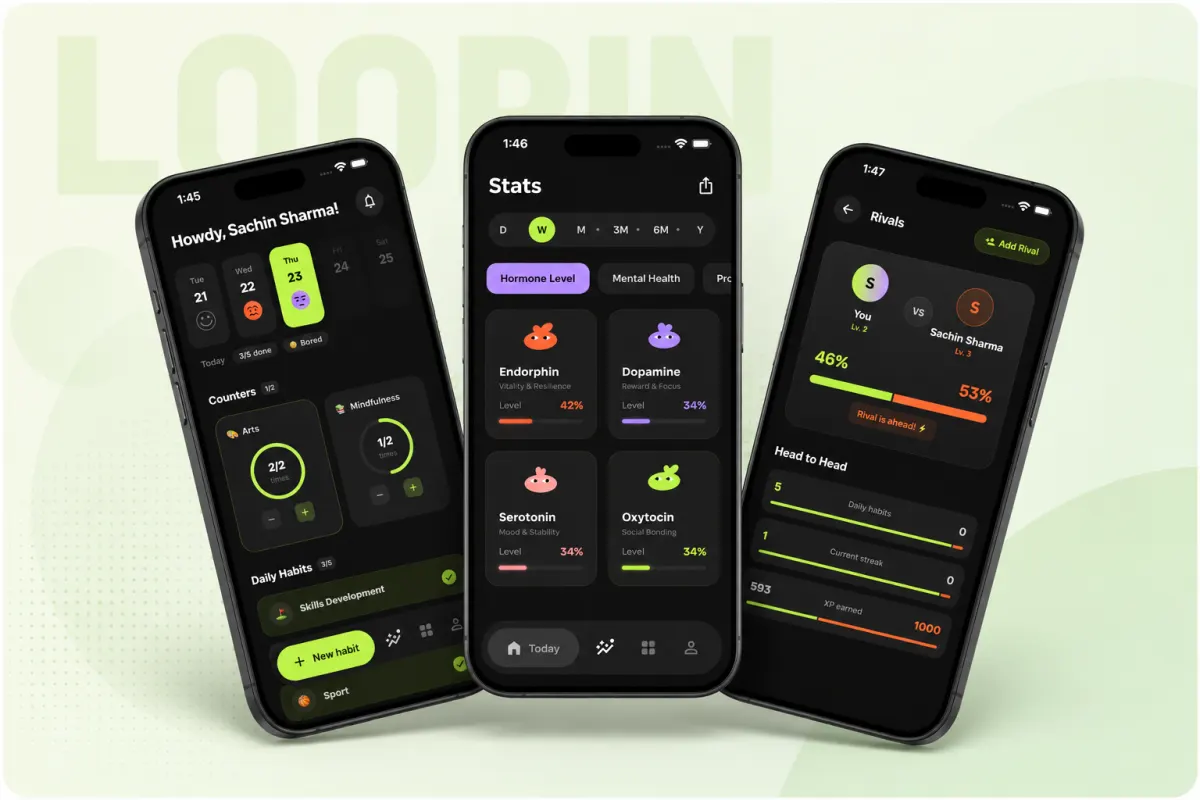
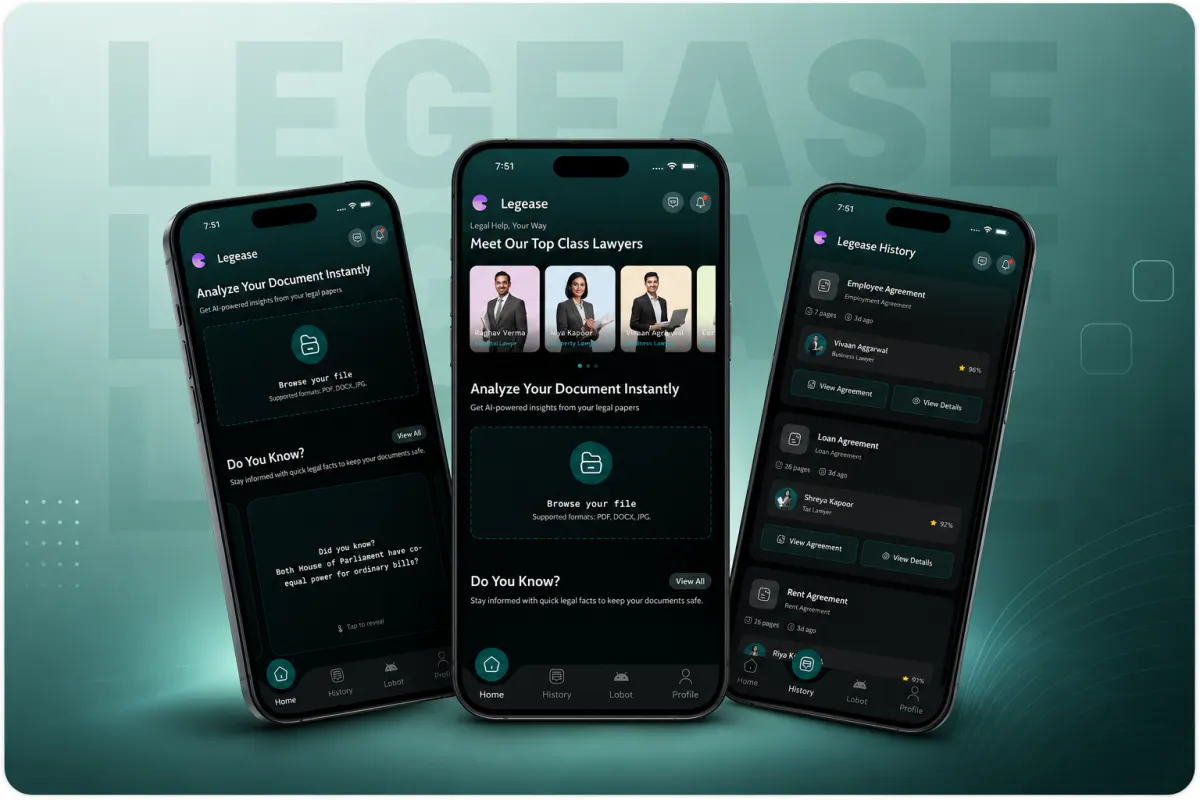
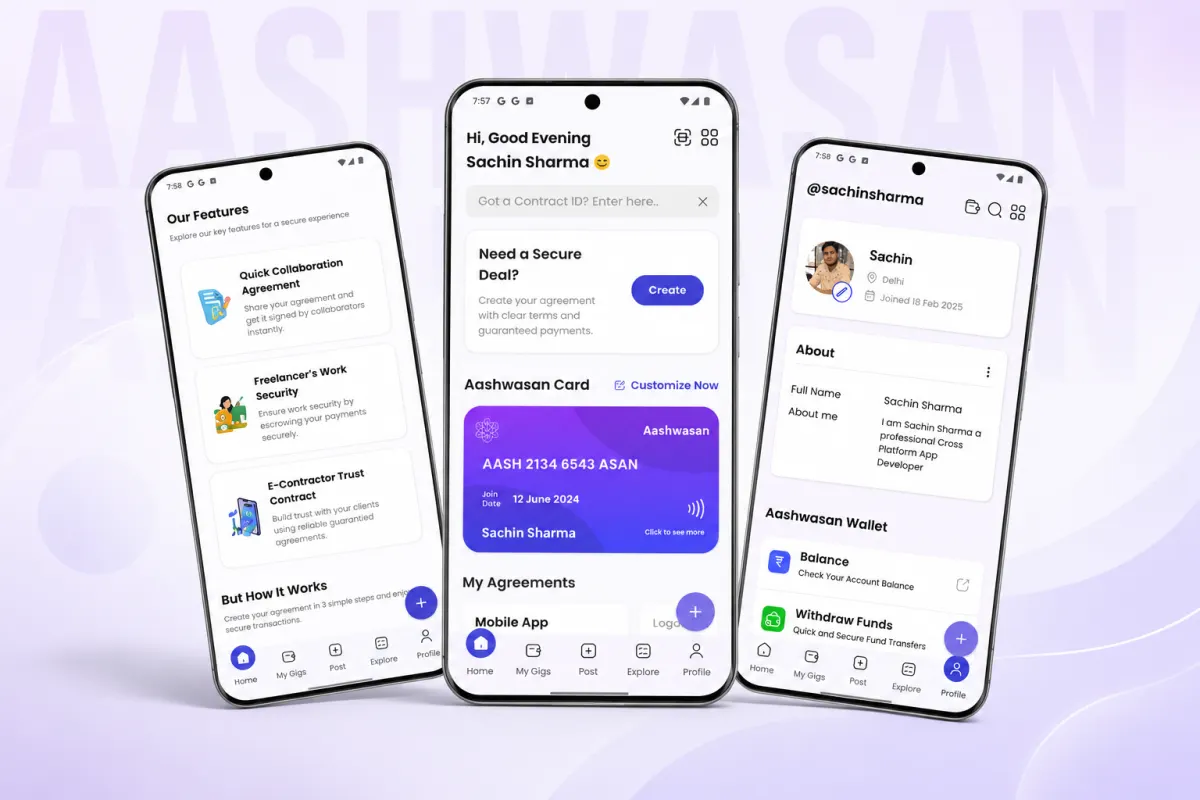
Real Apps I've Shipped
Not demos, not tutorials — production code built for real users.
Education
B.Tech CST, MAIT — CGPA 9.08
Hackathons
Finalist × 3 (Code Kshetra 2.0, Level Supermind, DTU Brainwave)
Currently
Developer at ESPO — promoted from intern in 60 days