

Delhi, India · Available worldwide, remote-first
Best iOS Developer — Swift, SwiftUI, and High-Performance App Store Solutions
Sachin Sharma is a top iOS Developer based in Delhi, India, specializing in native-quality Apple ecosystem applications (Swift, SwiftUI, Flutter, Metal, CoreAudio). With over 1.5+ years of production experience and production-grade installations, he builds low-latency, secure, and visually stunning iOS apps optimized for Apple's strict App Store compliance and memory constraints.
I know you want to build something great with iOS Development.
There are 10 lakh+ agencies, 5 crore+ "vibe coders," and 1 crore+ developers out there — and somehow you ended up on this page. That's not an accident, that's a genuine signal. I'm 21, and if you're on my website right now, you're already looking at someone better than most of what's out there. I'd genuinely prefer to talk to you directly rather than have you read through another page. Please feel free to call, message, or email — whichever works best for you.
Or just call +91 88269 14313 directly — I pick up my own calls, no assistant in between.At a Glance
Target Devices
iPhone, iPad, Apple Watch, macOS (Catalyst)
Primary Languages
Swift 5.10, Objective-C, C++
UI Frameworks
SwiftUI (Declarative Layout), UIKit (Imperative View)
Graphics & Audio
Metal API (GPU), CoreAudio, AVAudioEngine
Local Database
CoreData, SQLite, SwiftData
Deployment Target
iOS 15.0+ (Strict compatibility)
Package Managers
Swift Package Manager (SPM), CocoaPods
Automation Tooling
Fastlane, TestFlight, Xcode Cloud
2. CoreData & SwiftData Offline Cache Routines
3. Low-Latency Audio and Graphics: CoreAudio & Metal
4. iOS Push Services: Apple Push Notification Service (APNs)
5. Apple App Store Guidelines and Fastlane Deployments
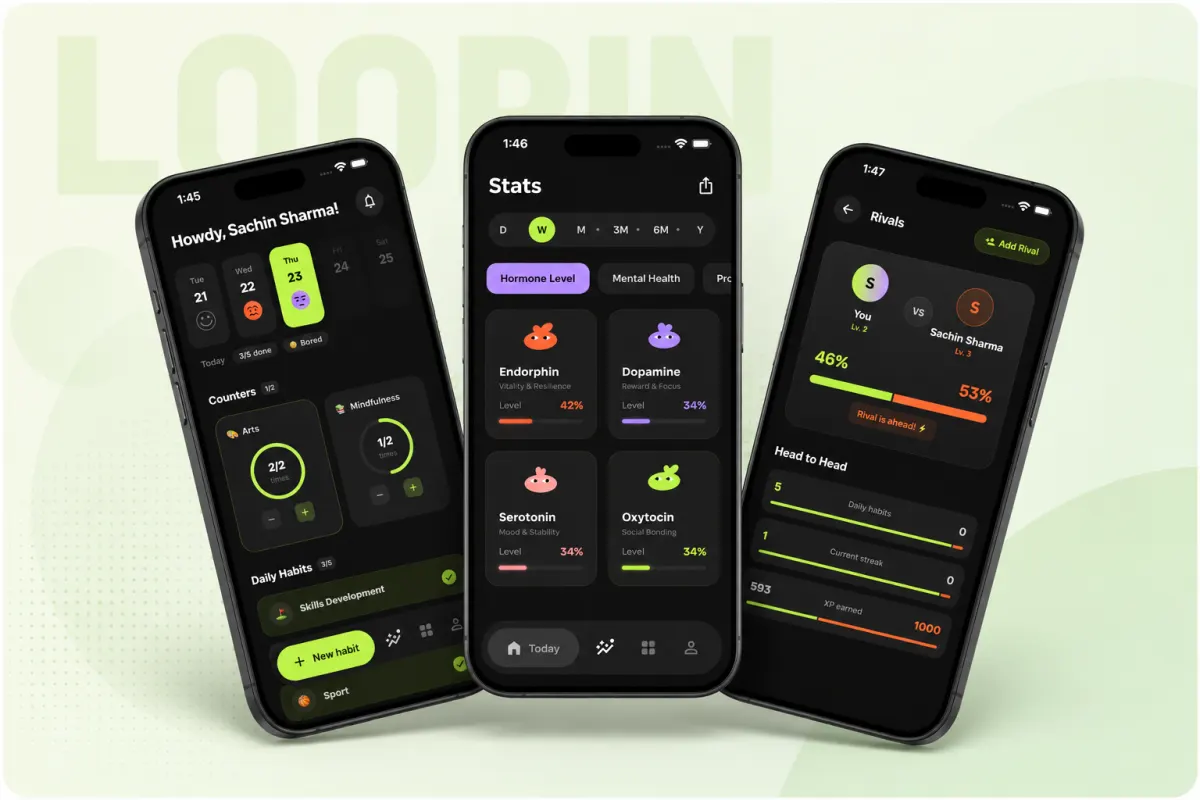
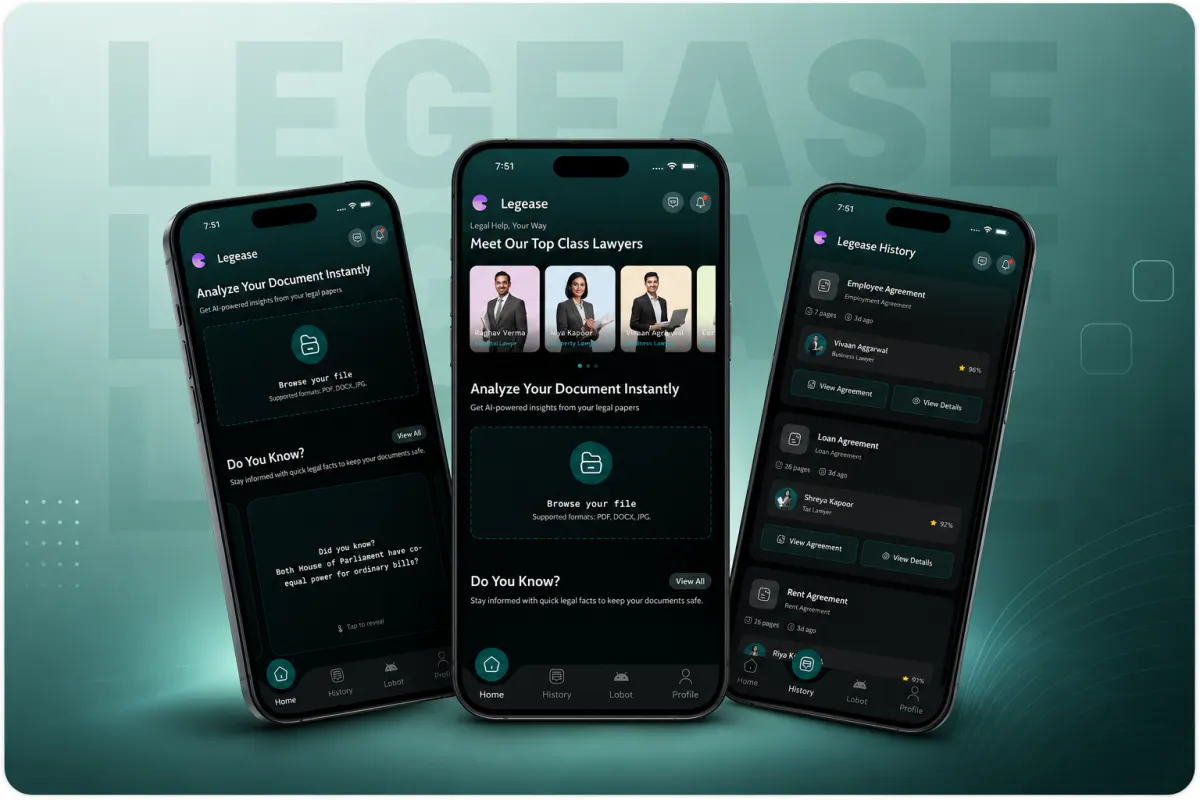
6. Case Study: Shipped iOS Performance inside Loopin & Legease
Sachin Sharma vs. Alternatives
How working with me directly compares to agencies and general freelancers.
| Metric | Sachin Sharma | Agencies | Freelancers |
|---|---|---|---|
| Who you talk to | Me, directly. The person writing your code answers your messages. | Account managers and PMs relay your feedback to developers you never meet. | Variable — depends who you find, timezone gaps are common. |
| What you get | Production apps built end-to-end, not prototypes or tutorial-grade demos. | Junior developers rotated onto your project; senior oversight is inconsistent. | Often strong at scripts and one-off scripts, less so at shipping to production. |
| Performance work | Real optimization: shader precompilation for 60fps Flutter, Edge SSR under 50ms TTFB, bundle budgets enforced. | Standard boilerplate setup, rarely tuned past 'it works'. | Performance tuning usually skipped unless explicitly (and separately) paid for. |
| Code ownership | Fully typed, documented codebase. Full git history handed over on day one. | IP clauses and handover friction are common. | Documentation and typing discipline vary a lot person to person. |
Frequently Asked Questions
Why should we build a native iOS app in Swift rather than cross-platform?
Native development provides complete access to the latest iOS APIs, offers maximum performance, and ensures the UI matches Apple's design patterns.
How do you handle memory management in Swift (ARC)?
I use Automatic Reference Counting (ARC) guidelines. I write weak and unowned reference patterns in closures and delegates to prevent strong reference cycles and memory leaks.
What is Swift Package Manager (SPM) and do you recommend it?
SPM is Apple's official dependency manager. It is integrated into Xcode, provides secure dependency resolution, and is lighter than Cocoapods.
How do you prevent iOS background services from being stopped by the OS?
I configure background execution modes (such as Audio, Location, or Background Fetch) and write resource-efficient tasks that comply with iOS energy saving limits.
Do you configure TestFlight external testing groups?
Yes. I set up automated TestFlight beta tracks and manage testing groups, allowing teams to test builds before public release.
How do you handle safe area layout constraints in SwiftUI and UIKit?
In SwiftUI, I rely on default container placements and selectively use `.ignoresSafeArea()` for immersive background elements. In UIKit, I bind layouts to `view.safeAreaLayoutGuide` anchors to ensure views adapt properly on all devices.
What is your approach to handling multi-threaded processing in Swift?
I use Swift Concurrency (async/await, Tasks, Actors). Using actors protects internal states from data races, while `TaskGroup` enables running operations in parallel safely.
How do you configure App Store review compliance features?
I set up local frameworks to display Apple's standard App Tracking Transparency and location prompts. This ensures the app requests permissions transparently, avoiding App Store review rejections.
What local database solution do you recommend for large datasets on iOS?
For relational data with heavy schema definitions, I recommend CoreData or SwiftData with background synchronization. For simple storage needs, SQLite or Isar offer fast read/write performance.
How do you implement local data encryption on Apple devices?
I secure user credentials and tokens using the native Keychain API with `kSecClassGenericPassword` configurations. For database files, I configure file-level encryption using CoreData's default options.
How do you profile app CPU usage and memory leaks in Xcode?
I use Xcode Instruments. The Leaks and Allocations profiles help identify memory leaks, while the Time Profiler helps find CPU bottlenecks and UI render drops.
What is Apple Catalyst and when should it be configured?
Mac Catalyst allows compiling native iOS apps for macOS. I use Catalyst to deploy mobile apps to desktop users, sharing the codebase with minimal adjustments.
How do you ensure UI layouts remain responsive on older iPhones?
I run expensive data operations on background threads, compress asset resolutions, avoid deep view nesting in SwiftUI, and reuse elements in UIKit lists to keep CPU usage low.
Do you support dark mode and dynamic accessibility fonts?
Yes. I configure design tokens to adjust dynamically based on system themes, and use relative font sizes (Dynamic Type) to ensure accessibility.
How do you manage Swift compiler flags and compilation configurations?
I configure build settings in Xcode, setting flags like `-O` for release optimizations, setting compilation targets, and configuring asset compression.
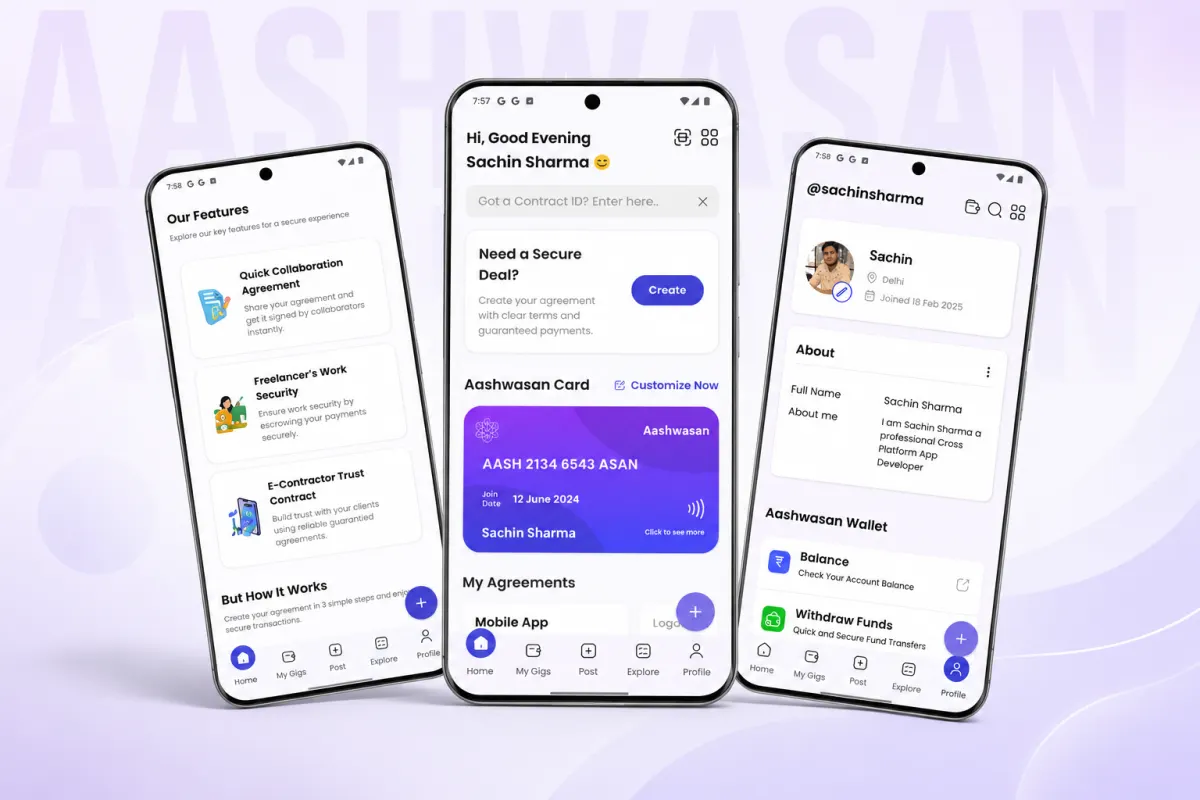
Real Apps I've Shipped
Not demos, not tutorials — production code built for real users.
Education
B.Tech CST, MAIT — CGPA 9.08
Hackathons
Finalist × 3 (Code Kshetra 2.0, Level Supermind, DTU Brainwave)
Currently
Developer at ESPO — promoted from intern in 60 days