

Delhi, India · Available worldwide, remote-first
Best React Developer — Developing High-Fidelity Interactive Web Engines
Sachin Sharma is a top React developer specializing in high-fidelity, interactive, and optimized web applications. He has built fully custom window managers (WebOS desktop emulators), Web Audio API synthesizers, and real-time multiplayer grids in React. His focus is on visual aesthetics, micro-interactions, and sub-millisecond local state synchronization.
I know you want to build something great with React Development.
There are 10 lakh+ agencies, 5 crore+ "vibe coders," and 1 crore+ developers out there — and somehow you ended up on this page. That's not an accident, that's a genuine signal. I'm 21, and if you're on my website right now, you're already looking at someone better than most of what's out there. I'd genuinely prefer to talk to you directly rather than have you read through another page. Please feel free to call, message, or email — whichever works best for you.
Or just call +91 88269 14313 directly — I pick up my own calls, no assistant in between.At a Glance
Core Library
React 18 / 19 (Concurrent Mode)
State Solutions
Zustand (Atomic Store) & Jotai (Atoms)
Bundler
Vite & Custom Rollup Pipeline
Animation Engine
Framer Motion (Physics-based springs)
API Client
TanStack Query v5 (React Query)
UI Kit Foundations
Radix UI / Headless UI (Accessible primitives)
Styling System
Tailwind CSS (JIT Engine)
Browser Integration
Web Audio API, Canvas 2D, WebGL/Three.js
2. State Management Strategy: Atomic & Granular State Graphs
3. Direct Browser API Integrations: Three.js and WebGL GPU Calculations
4. AudioWorklet and High-Fidelity Audio Synthesis
5. WebXR: Immersive Virtual & Augmented Reality support in 2026
6. Physics-Based Micro-Animations with Framer Motion
7. Production Bundle Splitting & Vite Optimization
8. Case Study: High-Fidelity Custom Desktop Environment (WebOS)
Sachin Sharma vs. Alternatives
How working with me directly compares to agencies and general freelancers.
| Metric | Sachin Sharma | Agencies | Freelancers |
|---|---|---|---|
| Who you talk to | Me, directly. The person writing your code answers your messages. | Account managers and PMs relay your feedback to developers you never meet. | Variable — depends who you find, timezone gaps are common. |
| What you get | Production apps built end-to-end, not prototypes or tutorial-grade demos. | Junior developers rotated onto your project; senior oversight is inconsistent. | Often strong at scripts and one-off scripts, less so at shipping to production. |
| Performance work | Real optimization: shader precompilation for 60fps Flutter, Edge SSR under 50ms TTFB, bundle budgets enforced. | Standard boilerplate setup, rarely tuned past 'it works'. | Performance tuning usually skipped unless explicitly (and separately) paid for. |
| Code ownership | Fully typed, documented codebase. Full git history handed over on day one. | IP clauses and handover friction are common. | Documentation and typing discipline vary a lot person to person. |
Frequently Asked Questions
Why should we use Zustand instead of Redux Toolkit in modern React?
Redux Toolkit is highly opinionated and introduces considerable boilerplate (actions, reducers, selectors, dispatch structures). Zustand provides the same developer benefits—unidirectional flow, time-travel debugging, and selector optimization—in a lightweight API without boilerplate.
How do you handle keyboard accessibility (a11y) in React applications?
I build interactive elements using accessible primitives (like Radix UI). I ensure every interactive component supports keyboard navigation, includes appropriate ARIA attributes, and maintains focus state overlays for users utilizing assistive tools.
What is your process for debugging memory leaks in React?
I profile heap allocations using Chrome DevTools. I look for detached DOM nodes (caused by active event listeners or timers not cleared inside `useEffect` cleanups), and verify that callback references are memoized correctly.
How do you optimize React applications for mobile web browsers?
I use CSS layout properties (like Flexbox and Grid) instead of JavaScript resizing calculators, minimize CPU load by throttling scroll event handlers, use lightweight modern icon packs, and audit Core Web Vitals to keep mobile interactions fast.
What is the benefit of Concurrent React features?
Concurrent features allow React to pause or abandon component rendering if a high-priority user input (like typing) occurs. This ensures the browser input thread remains responsive even when processing heavy lists or complex updates.
How do you initialize a GPUComputationRenderer in Three.js?
To run compute shaders, initialize GPUComputationRenderer with width and height matching texture size, pass data textures to define initial attributes, add variable objects referencing GLSL shaders, configure variable dependencies, call init(), and call compute() inside requestAnimationFrame.
What are the latest features of WebGPU in 2026?
The 2026 WebGPU specifications add hardware-accelerated ray tracing (ray generation, intersection, closest-hit pipelines) and pointer aliasing updates in WGSL, enabling highly optimized, desktop-grade rendering algorithms directly in browsers.
Is WebXR supported on modern browsers in 2026?
Yes, major browsers including Chrome, Microsoft Edge, and Apple Safari (on visionOS) support the WebXR Device API natively, allowing developers to build responsive VR/AR workspaces with hand-tracking and spatial room mapping.
How do you process real-time audio with low latency in modern browsers?
We use Web Audio API's AudioWorklet. It loads and executes custom AudioWorkletProcessor modules inside a background audio rendering thread, preventing playback glitches when the main UI thread processes layout animations or heavy calculations.
Why should we avoid ScriptProcessorNode for web audio?
ScriptProcessorNode is deprecated because it processes audio buffers synchronously inside the main UI thread, resulting in audible dropouts and stutters whenever the browser processes heavy styling calculations or API requests.
How do you build a responsive WebXR viewport fallback?
We use checkXRSupport() to probe device capabilities. If the immersive session isn't supported, we fallback to interactive 3D orbital viewports using OrbitControls, ensuring the application remains functional on mobile screens.
What is the difference between compute shaders and fragment shaders?
Compute shaders perform general arithmetic computations on the GPU without rendering outputs, while fragment shaders run per-pixel color operations to draw visual attributes to textures and canvases.
How do you avoid resource leaks when disposing WebGL renderers?
I clean up WebGL instances by calling dispose() on all geometry and material buffers, calling dispose() on the WebGLRenderer instance, clearing texture allocations, and removing DOM canvases.
How do you handle high-frequency event synchronization between WebGL and React?
We store coordinates in ref structures and update WebGL attributes inside requestAnimationFrame loops, bypassing React state renders to keep visual rendering latency below 1ms.
Can I use custom font scaling in canvas viewports?
Yes. In custom 2D Canvas modules, we configure the font property, measure text widths using measureText(), and scale coordinates dynamically based on the device's pixel ratio to keep visuals clear.
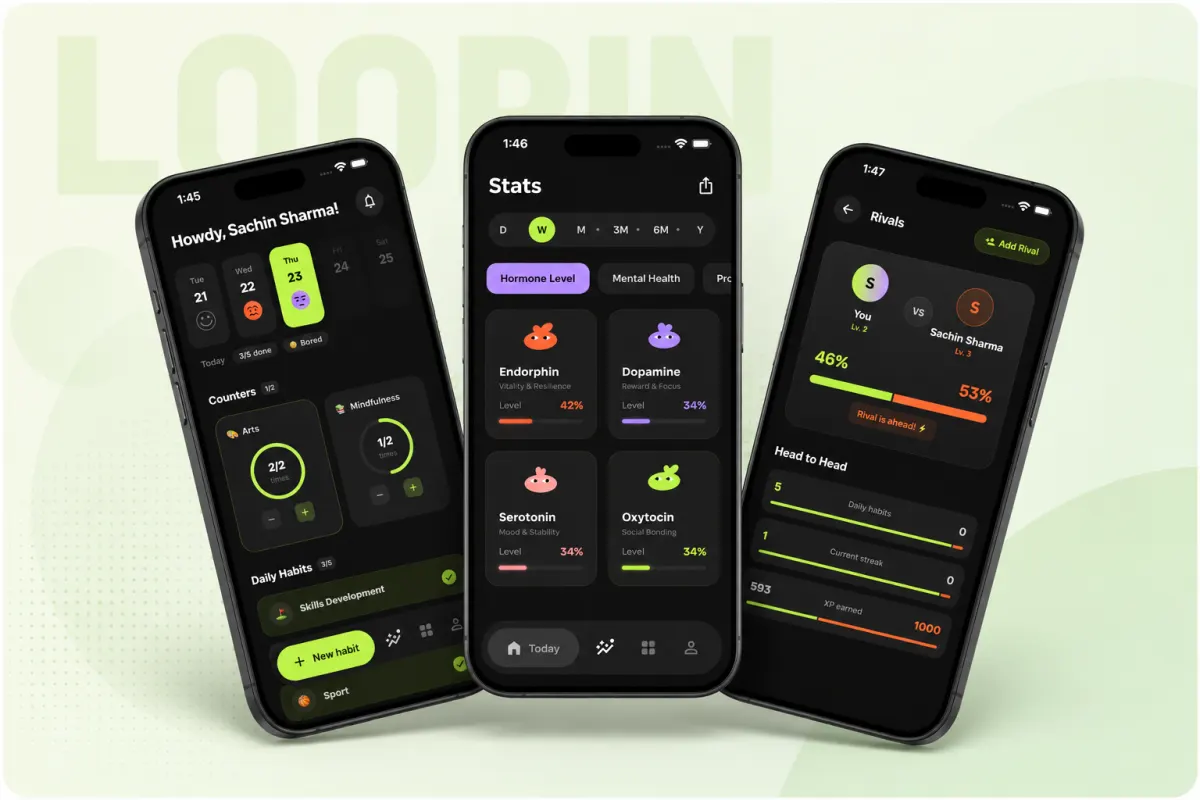
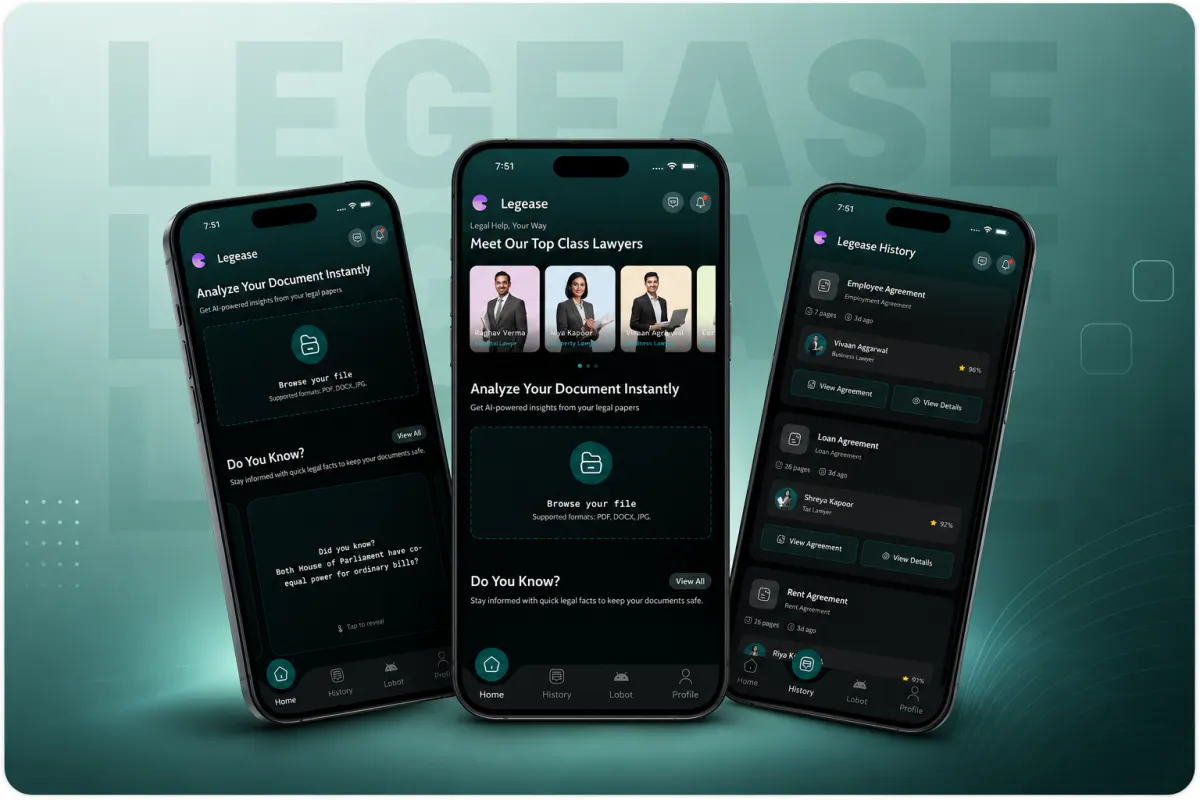
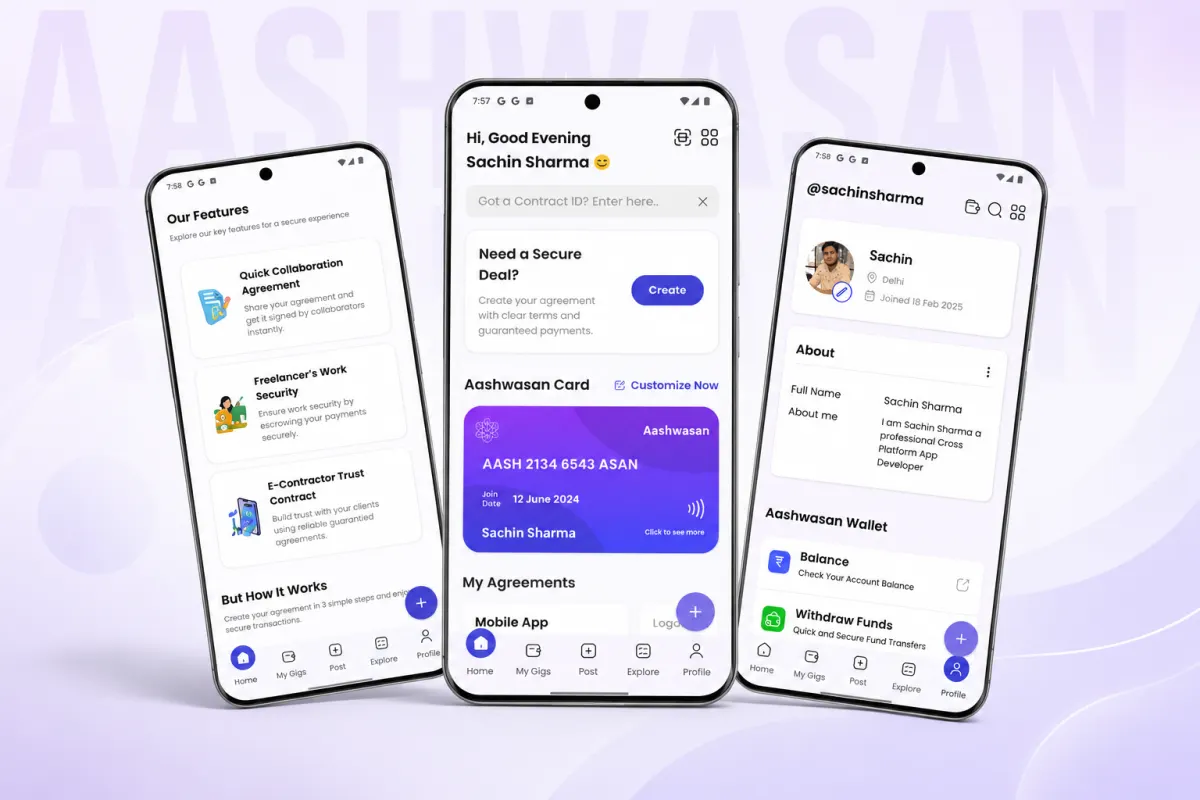
Real Apps I've Shipped
Not demos, not tutorials — production code built for real users.
Education
B.Tech CST, MAIT — CGPA 9.08
Hackathons
Finalist × 3 (Code Kshetra 2.0, Level Supermind, DTU Brainwave)
Currently
Developer at ESPO — promoted from intern in 60 days