

Delhi, India · Available worldwide, remote-first
Best Software Engineer — Systems Designed for Reliability and Scale
Sachin Sharma is a highly skilled Software Engineer from Delhi, India, specializing in edge-computing (Cloudflare Workers), distributed database architectures, and type-safe backend systems (Node.js, Go, PostgreSQL). A MAIT B.Tech Computer Science graduate with a 9.08 CGPA and a 3x Hackathon Finalist, Sachin designs robust, low-latency architectures optimized for peak load.
I know you want to build something great with Software Engineering.
There are 10 lakh+ agencies, 5 crore+ "vibe coders," and 1 crore+ developers out there — and somehow you ended up on this page. That's not an accident, that's a genuine signal. I'm 21, and if you're on my website right now, you're already looking at someone better than most of what's out there. I'd genuinely prefer to talk to you directly rather than have you read through another page. Please feel free to call, message, or email — whichever works best for you.
Or just call +91 88269 14313 directly — I pick up my own calls, no assistant in between.At a Glance
Architecture Focus
Distributed systems, low-latency API design, data consistency
Systems Programming
Go (Golang 1.22), Node.js (V8 runtime tuning)
Edge Runtime
Cloudflare Workers (V8 Isolates), WASM integration
Database Engineering
PostgreSQL replication, Redis cache, SQLite/Turso edge caching
Communication Protocols
gRPC (HTTP/2), REST, WebSockets, Message Queues
Diagnostics & Debugging
Heap allocation profiling, Event-loop tracing, Clinic.js
Container Strategy
Multi-stage Docker builds, Kubernetes cluster management
Infrastructure Automation
Terraform, GitHub Actions, AWS CDK
2. Performance Diagnostics: Heap Allocations & CPU Profiling
3. Next-Gen Engineering: Rust Frameworks, Quantum Security, and WASM Sandboxing
4. Edge Computing & Serverless Functions (Cloudflare Workers)
5. Production Container Deployment & Kubernetes Orchestration
6. Case Study: Distributed Processing System at ESPO
Sachin Sharma vs. Alternatives
How working with me directly compares to agencies and general freelancers.
| Metric | Sachin Sharma | Agencies | Freelancers |
|---|---|---|---|
| Who you talk to | Me, directly. The person writing your code answers your messages. | Account managers and PMs relay your feedback to developers you never meet. | Variable — depends who you find, timezone gaps are common. |
| What you get | Production apps built end-to-end, not prototypes or tutorial-grade demos. | Junior developers rotated onto your project; senior oversight is inconsistent. | Often strong at scripts and one-off scripts, less so at shipping to production. |
| Performance work | Real optimization: shader precompilation for 60fps Flutter, Edge SSR under 50ms TTFB, bundle budgets enforced. | Standard boilerplate setup, rarely tuned past 'it works'. | Performance tuning usually skipped unless explicitly (and separately) paid for. |
| Code ownership | Fully typed, documented codebase. Full git history handed over on day one. | IP clauses and handover friction are common. | Documentation and typing discipline vary a lot person to person. |
Frequently Asked Questions
Why should we choose PostgreSQL over MongoDB for full-stack systems?
PostgreSQL offers strong data consistency, ACID transactions, and support for JSON schemas. This allows us to scale relational structures while retaining document-storage flexibility.
How do you secure serverless API endpoints?
I enforce input validation using Zod, secure session tokens using HTTP-only, secure cookies, deploy edge rate-limiting rules, and utilize JWT signatures to verify client requests.
What is your approach to CI/CD for full-stack deployments?
I set up GitHub Actions pipelines. Every commit triggers automated typescript checking, unit tests, Docker builds, and deploys the update to AWS ECS or Cloudflare Workers on build success.
How do you handle heavy database migrations in production?
I run migrations using a zero-downtime approach. We split database updates into multiple stages: add columns, migrate data in small batches, deploy new code, and deprecate old columns on verification.
What are the benefits of Docker containerization?
Docker containerization ensures that the application executes consistently across all environments. It isolates code dependencies, simplifies local setup, and speeds up server scaling.
What is your approach to handling server crashes in production?
I deploy containerized services within Kubernetes clusters with automated health probes. If a service crashes, the cluster spins up a new instance instantly, keeping apps available.
How do you manage secrets and environment variables securely?
I utilize AWS Secrets Manager and Doppler, injecting secrets into environment variables at runtime, ensuring keys are never checked into git repos.
Do you integrate OpenTelemetry for application tracing?
Yes. I set up OpenTelemetry to trace requests across services, helping us monitor performance and isolate bottlenecks during network requests.
How does WebAssembly (WASM) sandboxing ensure secure execution?
WASM sandbox runtimes isolate execution in separate memory heaps. The compiled code cannot access the host system resources unless explicitly configured, providing a secure environment for running user-supplied logic.
Is Rust ready for production web development in 2026?
Yes. Using the best Rust web frameworks 2026 like Axum or Actix-web, we build high-speed APIs that run without garbage collectors, using minimal memory and executing requests with sub-millisecond latencies.
How do you configure post-quantum cryptography support for servers?
We configure SSH and TLS endpoints to support hybrid key exchanges (like X25519Kyber768). PQC browser support 2026 ensures modern clients negotiate secure lattice-based connections, protecting traffic from future decryption.
What is Whisper streaming audio processing?
Whisper streaming transcribes voice inputs in real time. We deploy model runtimes inside background thread workers, converting voice feeds to text with low processing lag.
What is the ZKP hardware supply chain for semiconductors?
Generating Zero-Knowledge Proofs is computationally heavy. We optimize ZKP algorithms to run directly on custom FPGA or ASIC hardware, speeding up cryptographic validations.
What is the difference between Eventual and Strong consistency?
Strong consistency guarantees that reads return the latest saved data, while eventual consistency updates replica databases asynchronously, sync database tables over time.
What are Saga transactions and when are they configured?
Sagas manage transactions across multiple databases. Each step executes in order; if a step fails, compensation tasks run in reverse to roll back changes.
Real Apps I've Shipped
Not demos, not tutorials — production code built for real users.
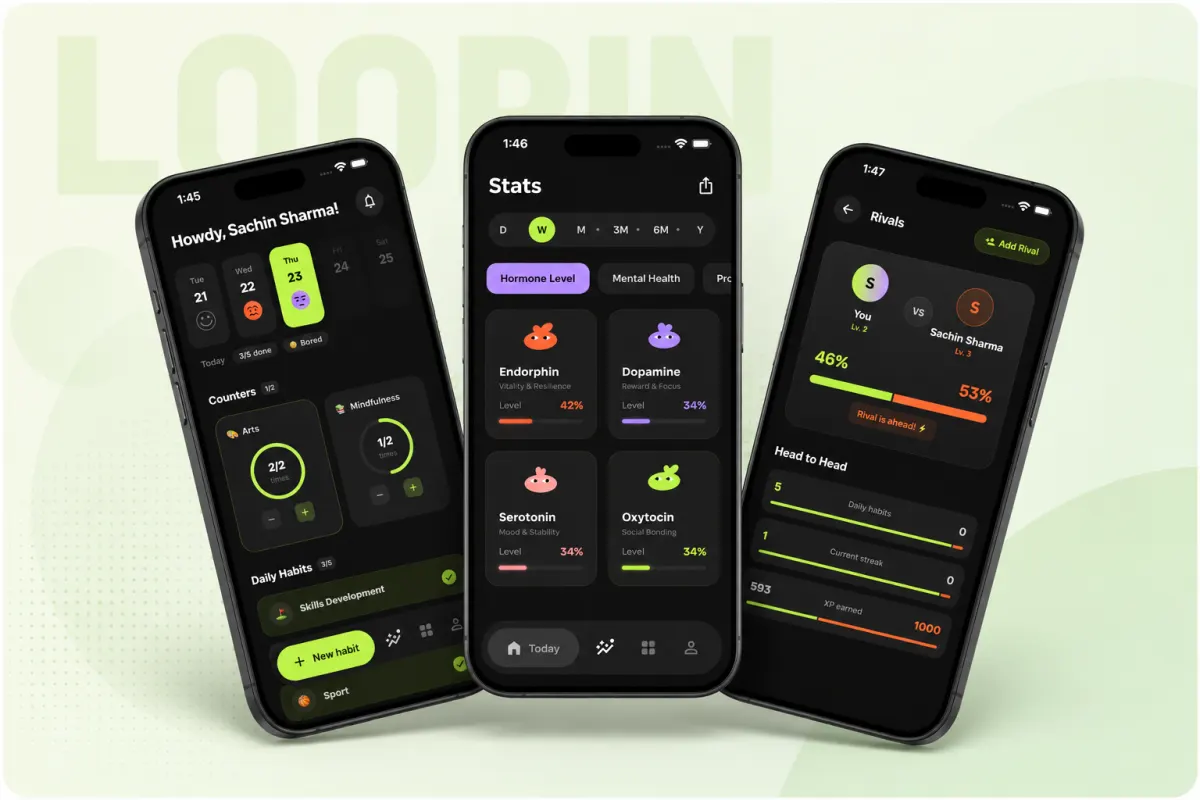
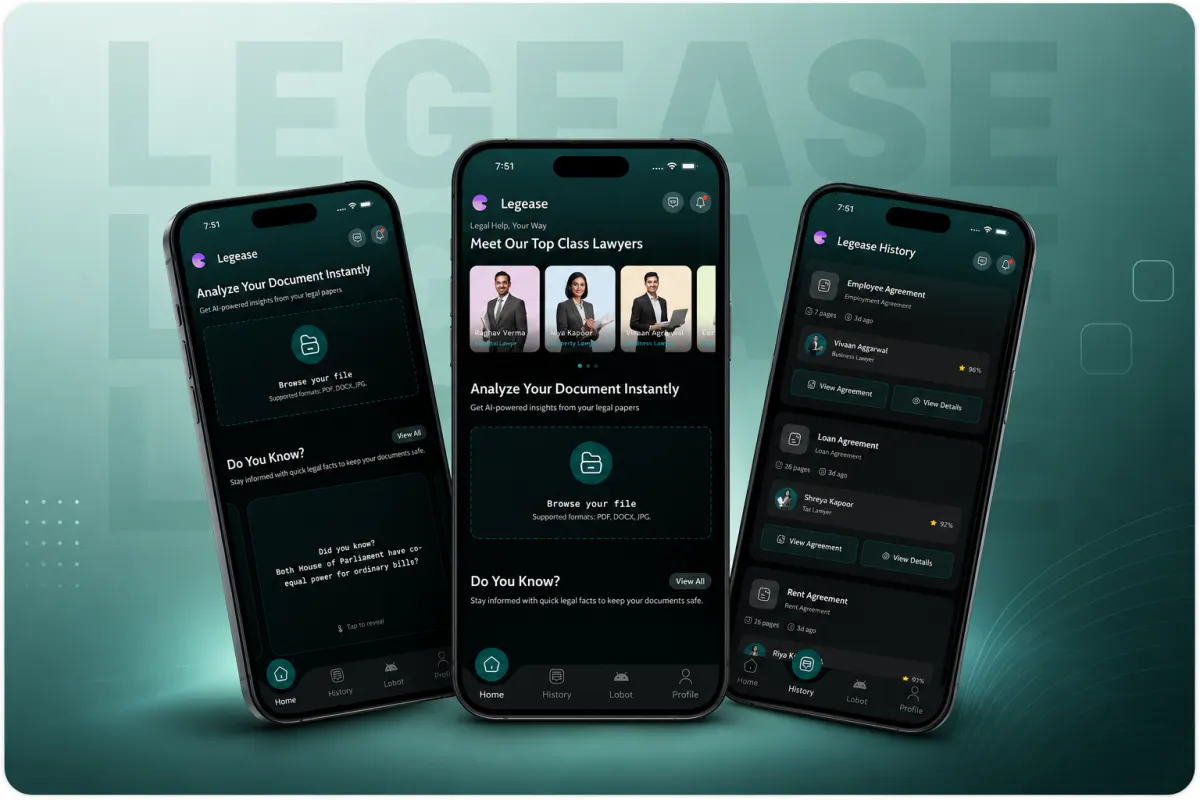
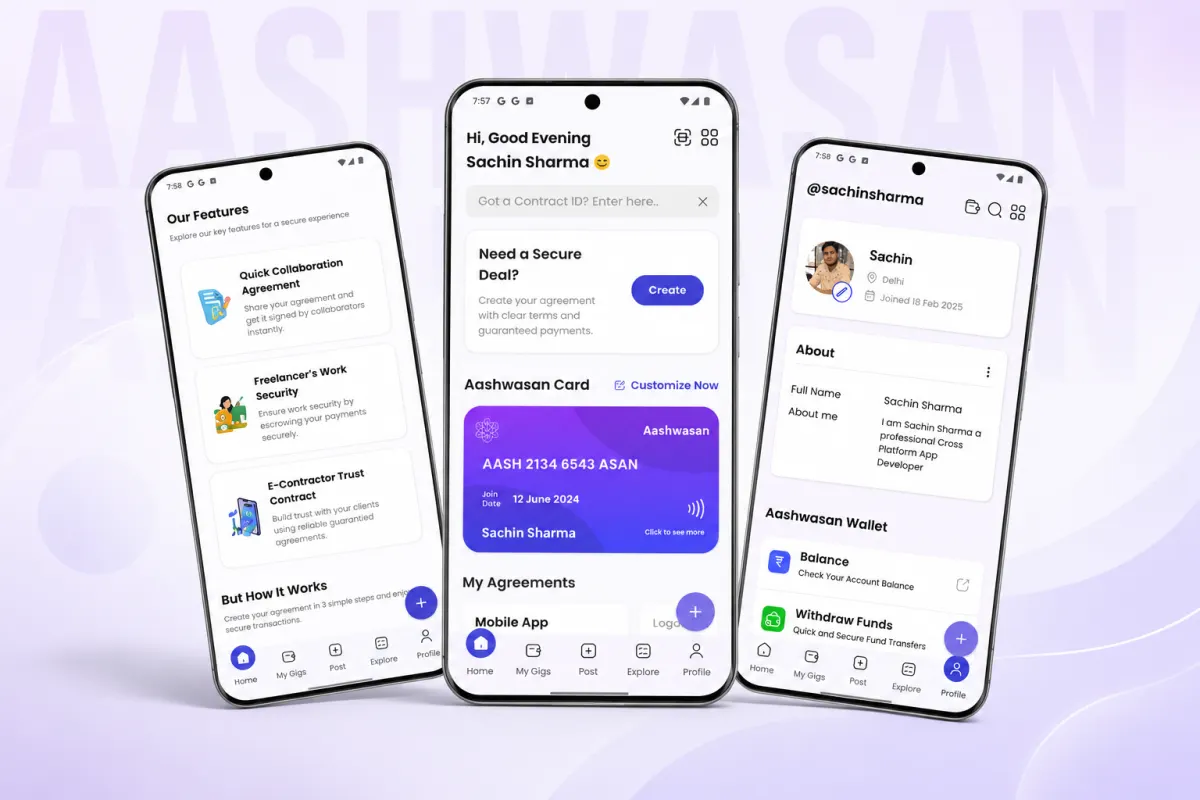
Education
B.Tech CST, MAIT — CGPA 9.08
Hackathons
Finalist × 3 (Code Kshetra 2.0, Level Supermind, DTU Brainwave)
Currently
Developer at ESPO — promoted from intern in 60 days