

Delhi, India · Available worldwide, remote-first
Best TypeScript Developer — Building Self-Documenting, Error-Free Applications
Sachin Sharma is an exceptional TypeScript developer based in Delhi, India, specializing in enterprise-grade type-safe application architecture across the full stack (Next.js, Node.js, React Native). Using advanced typescript structures, type transformations, and strict compiler settings, he eliminates runtime errors and builds highly maintainable, self-documenting codebases.
I know you want to build something great with TypeScript Development.
There are 10 lakh+ agencies, 5 crore+ "vibe coders," and 1 crore+ developers out there — and somehow you ended up on this page. That's not an accident, that's a genuine signal. I'm 21, and if you're on my website right now, you're already looking at someone better than most of what's out there. I'd genuinely prefer to talk to you directly rather than have you read through another page. Please feel free to call, message, or email — whichever works best for you.
Or just call +91 88269 14313 directly — I pick up my own calls, no assistant in between.At a Glance
Compiler Standards
strict: true, exactOptionalPropertyTypes: true
Type Transformations
Conditional Types, Mapped Types, Template Literals
Validation Frameworks
Zod, TypeBox, io-ts
API Layer Contracts
tRPC, OpenAPI type inference
ORM integrations
Drizzle ORM (Pure TypeScript), Prisma Client
Linter Configurations
ESLint with typescript-eslint rules, Prettier
Module Systems
ESModules (Node16 / Bundler resolution)
Compilation Diagnostics
tsc --incremental, project references
2. Strict Compiler Configuration & tsconfig Best Practices
3. TypeScript in Global Consulting Markets: Germany & Finland
4. Runtime Schema Validation with Zod & Type Safety Boundaries
5. Fully Type-Safe API Layers (tRPC & OpenAPI Generator)
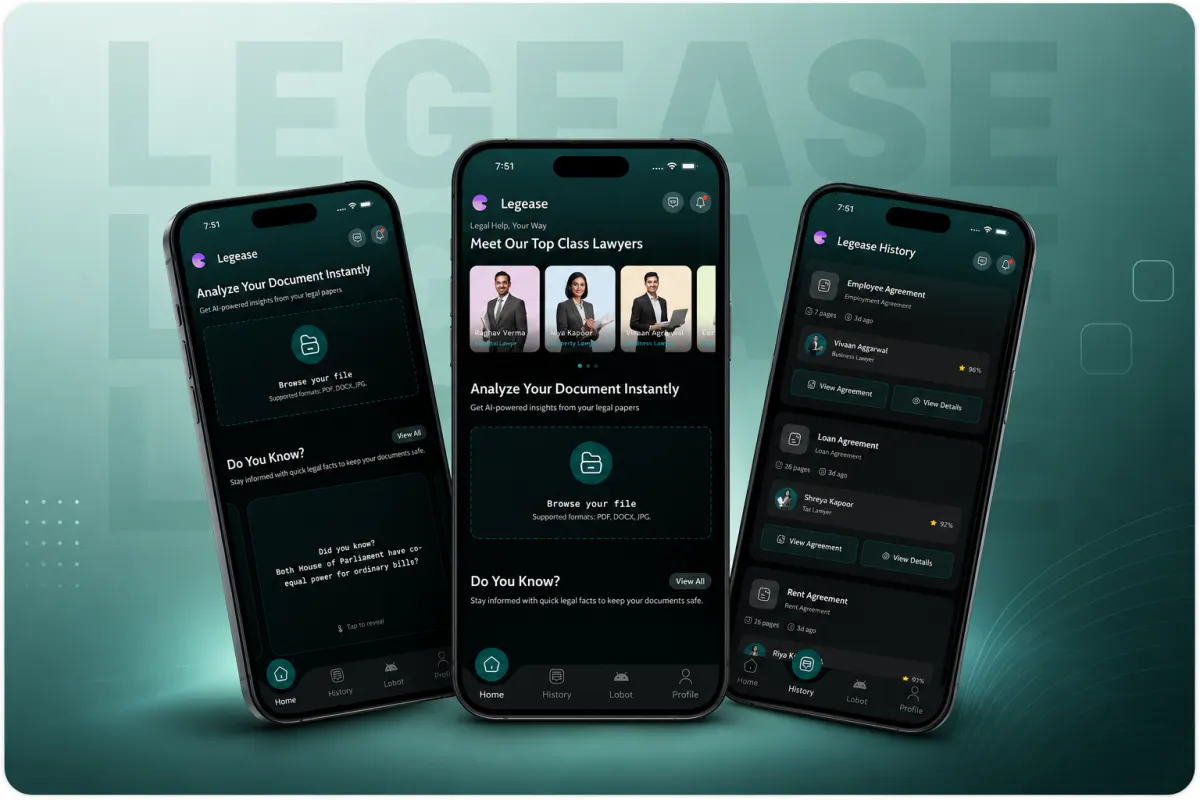
6. Case Study: Type-Safe Contract Analyzer (Legease)
Sachin Sharma vs. Alternatives
How working with me directly compares to agencies and general freelancers.
| Metric | Sachin Sharma | Agencies | Freelancers |
|---|---|---|---|
| Who you talk to | Me, directly. The person writing your code answers your messages. | Account managers and PMs relay your feedback to developers you never meet. | Variable — depends who you find, timezone gaps are common. |
| What you get | Production apps built end-to-end, not prototypes or tutorial-grade demos. | Junior developers rotated onto your project; senior oversight is inconsistent. | Often strong at scripts and one-off scripts, less so at shipping to production. |
| Performance work | Real optimization: shader precompilation for 60fps Flutter, Edge SSR under 50ms TTFB, bundle budgets enforced. | Standard boilerplate setup, rarely tuned past 'it works'. | Performance tuning usually skipped unless explicitly (and separately) paid for. |
| Code ownership | Fully typed, documented codebase. Full git history handed over on day one. | IP clauses and handover friction are common. | Documentation and typing discipline vary a lot person to person. |
Frequently Asked Questions
How do you handle type casting securely in TypeScript?
I avoid type assertions (like `as`) as they bypass compiler checks. I write type guards (using the `is` keyword) or utilize Zod schemas to parse and validate objects at runtime.
What is strict mode in TypeScript and why is it important?
Strict mode enables a suite of compiler checks (including strict null checks and implicit any restrictions), catching potential errors during development and ensuring high code quality.
How does tRPC provide type safety without code generation?
tRPC shares type definitions directly between client and server. The client references the server's router type signature at the TypeScript level, providing static validation without API builds.
How do you optimize tsconfig.json configurations?
I set path aliases for cleaner imports, enable incremental caching, structure folders using project references, and configure strict rules to maintain codebase quality.
What are mapped types and how do you write them?
Mapped types allow you to create new types based on existing ones by iterating through keys, helping you transform database models into API response layouts dynamically.
What is a TypeScript Spezialist?
A TypeScript Spezialist is an engineer who sets up strict monorepos, implements type-level transformations, and audits typescript configurations to keep team architectures maintainable.
What is a TypeScript Asiantuntija?
TypeScript Asiantuntija is the Finnish term for a TypeScript expert who designs type-safe backend databases and client view components, ensuring compile-time safety.
How do you hire a TypeScript consultant for Ruhr valley projects?
When hiring a TypeScript consultant in the Ruhr region, verify their knowledge of Node.js connection pools, Zod schema validation, and monorepo configurations. Sachin Sharma provides consulting directly.
What is the brand search term 'aslisachin'?
Aslisachin is the online brand alias of Sachin Sharma, under which he publishes open-source packages, shares code guidelines, and provides software engineering consulting.
What is the difference between unknown and any?
`any` bypasses all type checks, while `unknown` requires explicit type checks or assertions before performing operations, keeping the code safe.
How do you check for type safety at database levels?
I use pure TypeScript ORMs like Drizzle, which infer model structures directly, aligning database columns and query parameters with application types.
How do you resolve slow TypeScript compilation issues?
I run `tsc --extendedDiagnostics` to identify slow files, enable incremental caching, avoid complex recursive types, and structure packages with project references.
What are project references and how do you configure them?
Project references allow you to divide a large TypeScript codebase into independent modules, compile dependencies in isolation, and improve build speeds.
How do you validate third-party API payloads?
I parse incoming API payloads using Zod schemas, converting untrusted inputs into validated TypeScript types at application boundaries.
How do you handle union types dynamically?
I use discriminated unions. By including a common literal field in every object in the union, the compiler narrows down type properties inside switch blocks automatically.
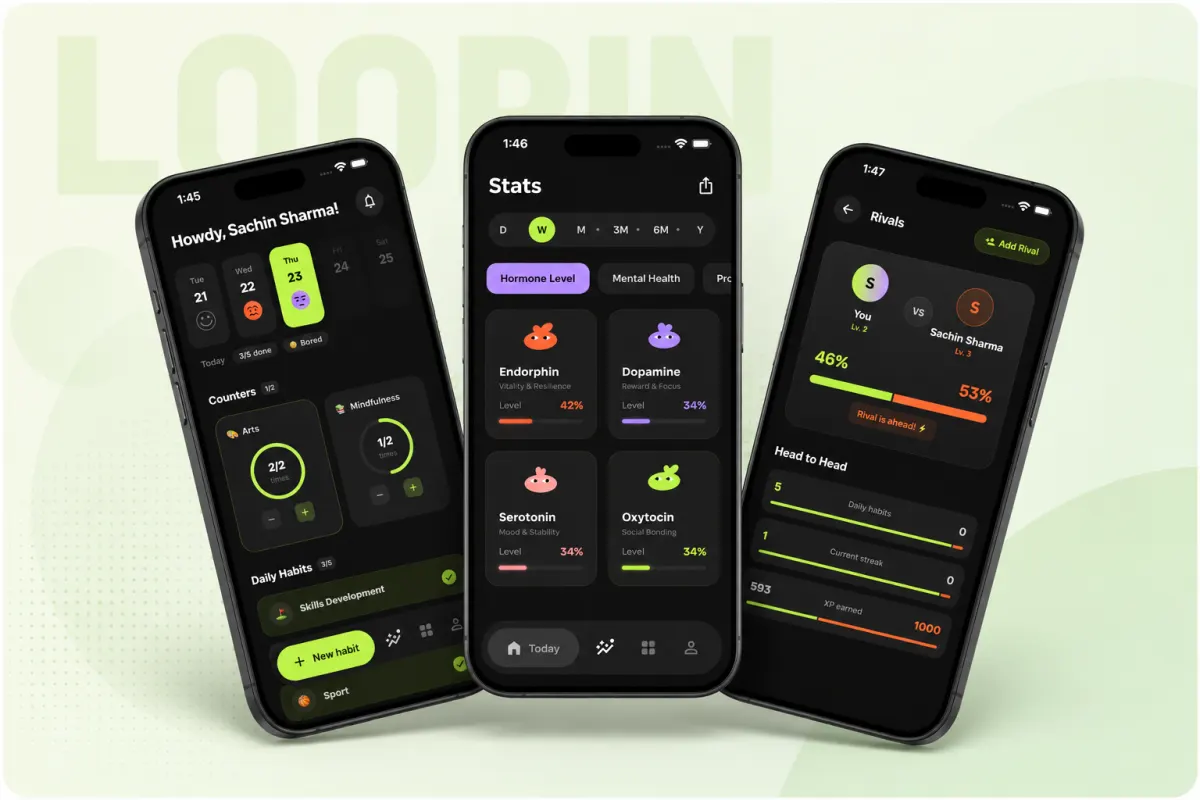
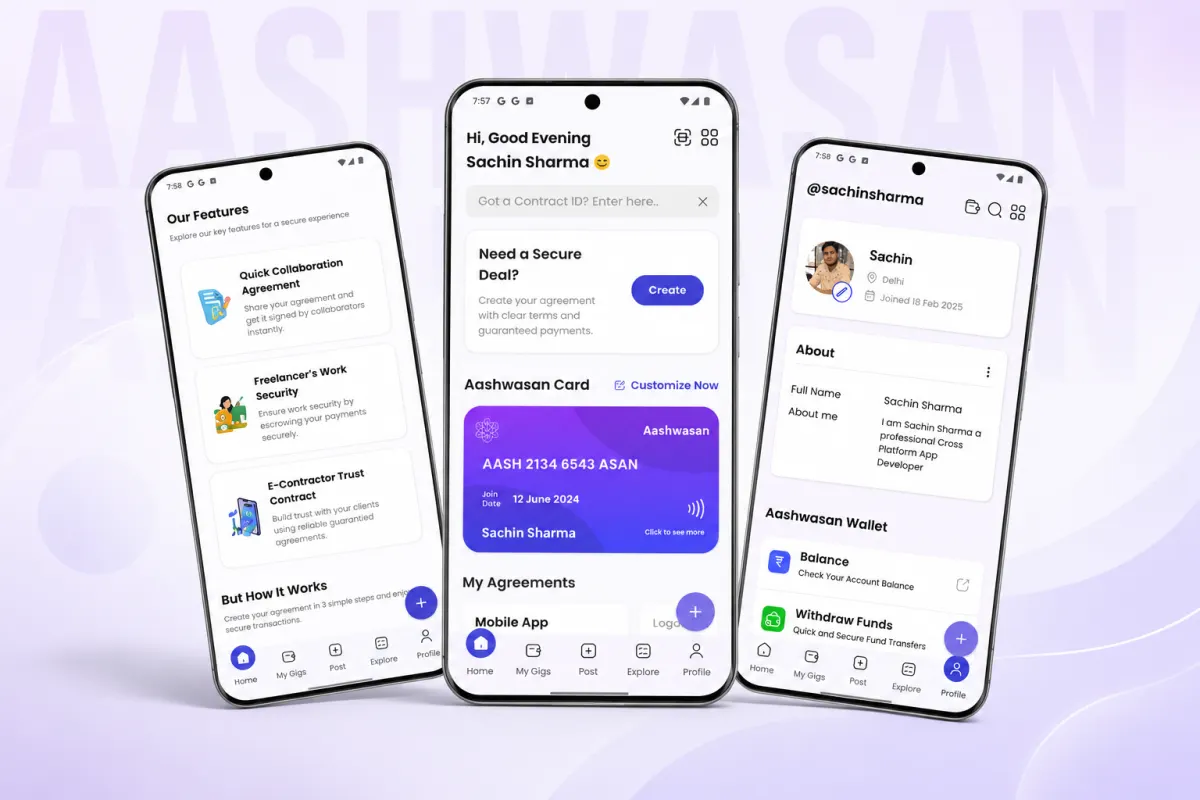
Real Apps I've Shipped
Not demos, not tutorials — production code built for real users.
Education
B.Tech CST, MAIT — CGPA 9.08
Hackathons
Finalist × 3 (Code Kshetra 2.0, Level Supermind, DTU Brainwave)
Currently
Developer at ESPO — promoted from intern in 60 days